
bullet proof glass for sale
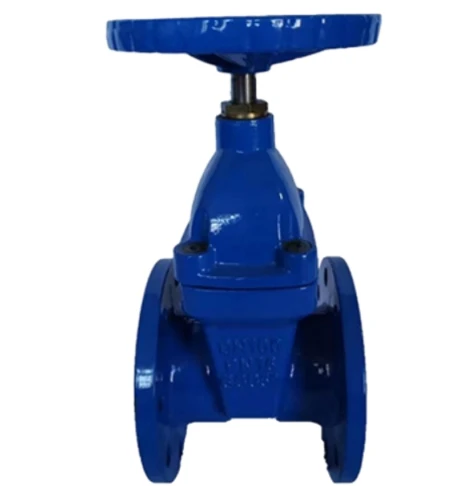
How to Replace a Water Valve A Step-by-Step Guide Water valves play a crucial role in plumbing systems, controlling the flow of water to various fixtures in your home. Over time, these valves can wear out, resulting in leaks or reduced water pressure. If you notice problems with your water valve, it may be time for a replacement. This guide will walk you through the step-by-step process of replacing a water valve, ensuring that you can tackle this task safely and efficiently. Tools and Materials Needed Before you begin, make sure you have the following tools and materials on hand - Replacement water valve (ensure you choose the correct size and type) - Pipe wrench or adjustable pliers - Screwdriver (flathead and Phillips, depending on your valve) - Teflon tape or plumber’s tape - Bucket or container (to catch any water) - Towels or rags (for drying up spills) Step 1 Turn Off the Water Supply The first and most important step is to turn off the main water supply to your home to prevent any leaks or flooding during the process.Locate the main shut-off valve, usually found near the water meter, and turn it clockwise until it stops. Open a faucet on a lower level to drain any residual water in the pipes. Step 2 Locate the Water Valve Identify the water valve you need to replace. Water valves may be located near fixtures like sinks, toilets, or washing machines. They are typically connected to pipes leading into the appliance. Step 3 Remove the Old Water Valve 1. Disconnect the Supply Line Use a pipe wrench or adjustable pliers to loosen and disconnect the water supply line from the valve . Have your bucket or container ready to catch any remaining water that may spill out. 2. Remove the Valve Once the supply line is disconnected, you can remove the old valve. Depending on the type of valve (such as ball or gate valves), you may need to unscrew it from the pipe with a wrench. Turn the valve counterclockwise to fully detach it. Step 4 Prepare to Install the New Valve how to replace water valve Before installing the new valve, clean the threads on the pipe where the old valve was attached. This will ensure a snug fit and help prevent leaks. If the threads are damaged, you may need to replace the section of pipe. Step 5 Install the New Water Valve 1. Apply Teflon Tape Wrap Teflon tape around the threads of the pipe. This tape helps create a watertight seal and makes it easier to screw the new valve onto the pipe. 2. Attach the New Valve Screw the new water valve onto the pipe, turning it clockwise. Use your pipe wrench to tighten it securely, but be careful not to overtighten, as this might damage the valve or the pipe. Step 6 Reconnect the Water Supply Line Reattach the water supply line to the new valve. Again, use your pipe wrench or pliers to tighten this connection securely. Ensure that the fittings are snug, as leaks can occur if they are too loose. Step 7 Check for Leaks Once everything is connected, it’s time to turn the water supply back on. Go to the main shut-off valve and turn it counterclockwise to restore the water flow. Afterward, check the new valve and the connections for any signs of leaking. If you notice any leaks, turn off the water again and tighten the connections as needed. Step 8 Final Checks and Cleaning Up After ensuring there are no leaks, turn on the faucet connected to your new valve to purge any air from the system and verify that water is flowing properly. Once you are satisfied with your work, clean up your workspace, putting away tools and disposing of any old parts. Conclusion Replacing a water valve may seem daunting at first, but with the right tools, materials, and careful attention to detail, it can be a manageable DIY project. Always prioritize safety by ensuring the water supply is off and take your time throughout the process. With this guide, you should be well-equipped to tackle that valve replacement with confidence. Happy plumbing!
about
bullet proof glass for sale
Understanding the Telescoping Bore Gauge An Essential Tool for Precision Measurement In the realm of precision engineering and machining, accurate measurements play a crucial role in ensuring the functionality and performance of various components. Among the critical measuring tools in a machinist's toolkit is the telescoping bore gauge. This instrument is particularly designed for measuring the internal diameters of holes or cylinders, and its ability to provide highly accurate readings makes it essential in many manufacturing processes. What is a Telescoping Bore Gauge? A telescoping bore gauge, also known as a bore micrometer, consists of a set of arms that extend and can be adjusted to fit the surface of the bore being measured. Typically, the gauge features a handle, a pair of measuring arms, and a measuring head. The arms are spring-loaded, allowing them to expand and contract with ease. When inserted into a hole, the arms can be expanded to touch the inner walls of the bore. Once the arms are firmly against the surfaces, the gauge is removed, and the distance between the tips is measured using a micrometer or caliper. How to Use a Telescoping Bore Gauge Using a telescoping bore gauge involves a few straightforward steps 1. Preparation Ensure that the internal bore to be measured is clean and free from debris. Any dirt or residue can affect measurement accuracy. 2. Selecting the Size Choose the appropriate size of the bore gauge, as these tools come in various sizes to accommodate different bore diameters. 3. Insertion Insert the telescoping bore gauge into the hole or cylinder. The arms should be closed initially and then expanded once inside. 4. Expansion Carefully expand the arms of the bore gauge until they make contact with the inner walls of the bore. Apply a consistent and gentle pressure to ensure a proper fit without overextending the arms. 5. Removal Once the gauge is properly seated against the walls, carefully withdraw it from the bore. 6. Measurement Measure the distance between the tips of the gauge using a micrometer or caliper. This measurement will give you the internal diameter of the hole. 7. Verification For enhanced accuracy, repeat the measurement in several locations within the bore to account for any irregularities . telescoping bore gauge Advantages of Using a Telescoping Bore Gauge The telescoping bore gauge is favored for several reasons - Precision It allows for precise measurements of internal diameters, which is crucial for parts that must fit together perfectly. - Versatility These gauges can measure a variety of bore sizes accurately, making them valuable in both small and large-scale manufacturing. - Portability Telescoping bore gauges are lightweight and easy to transport, enabling machinists to use them in different settings with ease. - Cost-Effectiveness Compared to other sophisticated measurement tools, bore gauges are relatively inexpensive and provide great value for their accuracy. Challenges in Using Telescoping Bore Gauges While telescoping bore gauges are effective, users must be aware of potential challenges - Skill Requirement Proper use of this tool requires a certain level of skill and experience. New users may need practice to achieve reliable results. - Measurement Errors If not handled correctly, there may be measurement errors due to misalignment or incorrect pressure when expanding the arms. - Calibration Regular calibration and maintenance are necessary to ensure ongoing accuracy, as wear and tear can affect the performance of the gauge. Conclusion In summary, the telescoping bore gauge is an indispensable tool for anyone involved in precision engineering and manufacturing. Its ability to accurately measure internal diameters plays a vital role in quality control and product functionality. By understanding how to properly use and maintain this robust tool, machinists can enhance their measurement accuracy and efficiency on the shop floor. As industries continue to evolve, the reliance on precise measurement tools like the telescoping bore gauge will undoubtedly remain a cornerstone of manufacturing excellence.
-

High quality industrial productsagement

High quality industrial products
View Details -

Meet the diverse needs of customers

Meet the diverse needs of customers
View Details -

Strict quality control

Strict quality control
View Details -

Top raw materials

Top raw materials
View Details -

Trusted supplier

Trusted supplier
View Details
Our application

news and information

v Hướng dẫn
Hướng Dẫn Về Rào Chắn V Trong cuộc sống hiện đại, việc bảo đảm an toàn giao thông là một trong những
y Siebdampfabscheider
Der Y-Strainer ist ein wichtiges Bauteil in der industriellen Prozessindustrie, insbesondere in Damp
Versatile Magnetic Vee Block for Precision Workholding and Machining Applications
The Magnetic Vee Block A Versatile Tool for Precision Alignment In the realm of manufacturing and ma
 English